
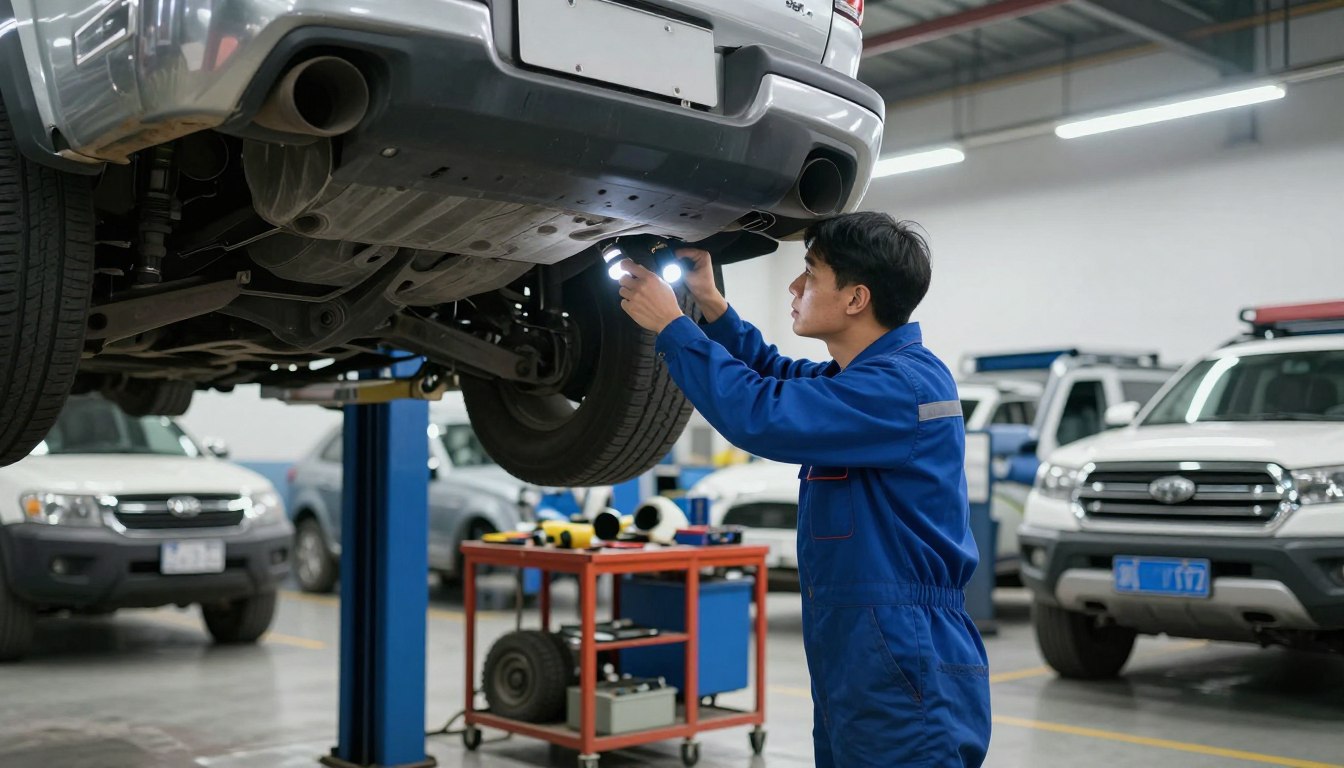
Surprising fact: Nearly one in five vehicles bought sight-unseen can be blocked from registration by a failed safety or emissions test.
The immediate outcome is simple. When an auction car fails inspection after purchase, what you can do depends on who sold the vehicle, the paperwork, and whether any warranty still covers the defect.
“Inspection” here means safety and emissions checks that can stop registration, driving, and resale. A failed test creates urgent money pressure for repairs or storage.
Many used car sales list vehicles “as is.” That label does not automatically end remedies. Misrepresentation, an express warranty, or state saleability rules can change your rights.
This article will guide you step by step. First, document the failed inspection. Then match the problem to the listing. Verify warranty status by VIN. Confirm title branding. Finally, evaluate legal leverage and decide whether to negotiate or escalate.
Key division: warranty versus no-warranty paths. Lemon law routes usually need an express warranty—California is a prime example.
The seller type—dealer, auction house, or private seller—alters disclosure duties and which claims survive disclaimers. Follow the workflow here to build a clear paper trail before you negotiate or pursue legal remedies.
Key Takeaways
- Document the failed inspection and preserve reports and receipts.
- Compare the listing and seller statements to the defect.
- Check VIN history for warranty and title branding.
- Identify whether an express warranty exists; it changes legal options.
- Seller type impacts disclosure duties and claim viability.
- Organize evidence before negotiating or escalating to save time and money.
Why an Auction Vehicle Can “Run Fine” but Still Fail Inspection
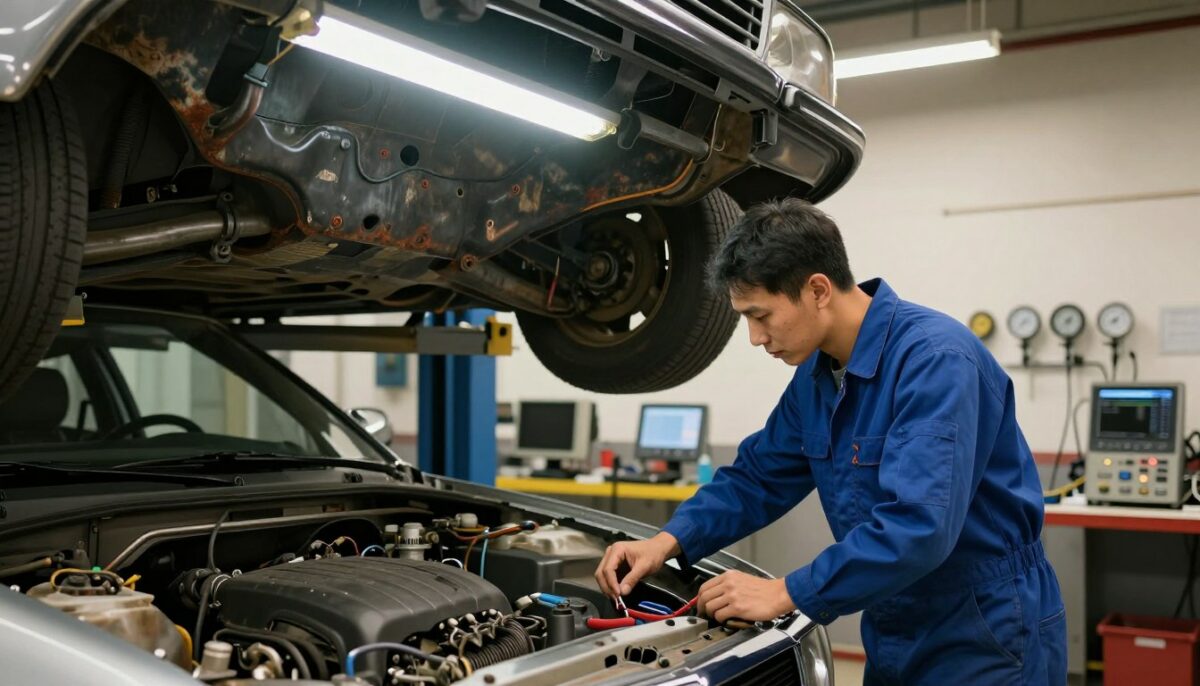
A vehicle that drives fine can still fail state checks because tests measure compliance, not drivability.
Safety and emissions test differences:
Safety checks target roadworthiness; emissions check pollution controls
Safety reviews focus on brakes, lights, steering, seat belts, and structural integrity. Emissions testing reads onboard diagnostics and tailpipe output. States vary. New Jersey requires emissions on a schedule; a model that passes will usually be retested every two years.
Common triggers when a vehicle ‘runs’ but won’t pass
- Check-engine readiness monitors and catalyst efficiency codes.
- Evaporative system leaks and OBD readiness failures.
- Brake wear, steering play, lighting faults, and visibility defects.
Unsafe vehicle red flags and downstream effects
Inspectors note structural rust at mounts, seat belt anchorage issues, fuel leaks, and suspension joint play. These flags can block registration.
| Test | Typical Report | Impact |
|---|---|---|
| Safety | Brakes, structure, lights | Repair, recheck, possible registration hold |
| Emissions | OBD codes, tailpipe limits | Repairs, retest fees, history record |
History and title issues: Failed reports may appear in vehicle history products. Branded titles, liens, or VIN mismatches can block re-registration even if the unit otherwise meets state standards. A “runs and drives” sale description may be technically true while still hiding a condition that violates state law or adds unexpected money and delay.
First Steps After an Inspection Failure: Protect Your Paper Trail and Your Money

Secure dated documentation first. Proof shapes negotiation and legal options. Get an itemized written report listing every failed item. Keep the failed-sticker paperwork and any test receipts.
Get the test report and preserve transaction text
Save the listing description, condition notes, photos, and the exact sale text. Capture any “as-is” wording and arbitration announcements.
Map each failure to the listing description
Compare the report line-by-line to what the sale promised. Note contradictions such as “no warning lights” or “ready to register.”
Confirm warranty and title status by VIN
Call the manufacturer with the VIN to confirm active warranty or coverage carryover. Pull title records and check for salvage, rebuilt, or flood branding that may affect warranty and road legality.
Control money exposure and create a timeline
- Get a written repair estimate and keep diagnostic reports.
- Obtain a second opinion if needed.
- Log purchase date, test date, mileage, and all communications with times and names.
If a dealer is involved, communicate in writing and save the exact promises. Keep repair orders and escalation notes to support warranty claims or dispute resolution.
Auction car fails inspection after purchase: Legal Leverage Depends on the Seller and the Sale Terms
Liability depends first on who contracted to sell the vehicle and what the sale documents actually promised. The seller named in the contract is the starting point for any claim.
Dealer, private seller, or auction house: duties differ
Dealers and a licensed dealership often have disclosure duties under state law. In New Jersey, dealers must ensure pre-owned vehicles meet inspection rules or provide warranty coverage for required repairs.
Private sellers offer limited protection. An intermediary or lot may disclaim condition, but the original seller made any express promises.
What “as‑is” does — and does not — eliminate
An as‑is clause can remove implied warranties. It does not cancel express statements, fraud-based claims, or statutory consumer protections.
Misrepresentation, title, and saleability
Misstated mileage, hidden title brands, or undisclosed structural damage can survive disclaimers and create claims. Title defects can block registration and form a separate remedy track.
| Issue | Who to check | Why it matters |
|---|---|---|
| Contracting seller | Bill of sale | Identifies legal respondent |
| Listing statements | Ad, buyers guide | Shows express promises |
| Inspection report | State test document | Links failures to condition |
- Confirm who signed the sale.
- Match listing text to the report.
- Preserve title and warranty records.
Warranty and Lemon Law Pathways That May Still Apply to Auction Cars
Begin by confirming whether an express manufacturer warranty covers the vehicle. That determination decides if lemon law relief is available.
California example: lemon coverage needs an express warranty
California’s Song-Beverly Act requires an active warranty and a substantial defect that persists after reasonable repair attempts.
“As‑is” sales do not always cancel factory guarantees
An as‑is notation may limit seller claims. It usually does not terminate a valid manufacturer warranty that transfers with the vehicle.
Title branding can void factory coverage
Salvage, rebuilt, or branded title status often voids warranty rights. That fact shifts strategy toward fraud or disclosure claims rather than lemon remedies.
- Document each repair order with complaint, diagnosis, work done, date, and mileage.
- Log days out of service and total time the vehicle was unavailable.
- Open a manufacturer case, record the case number, and keep all dealer receipts.
| Issue | What to check | Why it matters |
|---|---|---|
| Warranty status | VIN inquiry to manufacturer | Determines lemon eligibility |
| Title brand | State title record | May void factory warranty |
| Repair history | Dealer/repair orders with dates | Shows reasonable repair attempts |
State-Specific Consumer Protections to Check Before You Negotiate

Before you press for a refund, confirm the law that governs the sale and registration. Remedies depend on the state that sold the vehicle and the state where you register it. Document dates and receipts first. Then match the rule set that applies.
New Jersey: emissions cycles and dealer duties
New Jersey requires emissions testing. If a vehicle passes, the cycle is typically every two years.
Dealer obligations: NJ dealerships must ensure pre-owned vehicles meet state tests or provide warranty-covered repairs. Exceptions apply for older, high‑mileage, low‑priced units (over 7 years, over 100,000 miles, priced under $3,000).
Pennsylvania / Philadelphia: quick inspection leverage
Many used car sales include “as‑is” wording. Philadelphia discussions reference a 72‑hour inspection window concept.
If a major structural defect or inability to pass safety or emissions shows up within 72 hours, document it, then seek repair or refund per local rules.
Out‑of‑state purchases: mixed rules slow resolution
Location conflicts can complicate lemon law claims. The sale state, registration state, and warranty issuer may each point to different rules.
- Confirm which state law governs the sale.
- Get an itemized test report and timestamped proof.
- Use the most favorable state protection when you negotiate.
| Issue | What to check | Action |
|---|---|---|
| Applicable state | Bill of sale, registration | Confirm governing law |
| Dealer duty | Sale terms, dealer statements | Demand warranty coverage if applicable |
| Time window | Receipt timestamps | Document defects within 72 hours if possible |
Conclusion
Prioritize evidence and match the test report to sale paperwork, warranty status, and title history to choose the fastest remedy.
Keep a compact file: bill of sale, listing description and text, any “as‑is” language, the failed inspection report, a repair estimate, and a dated communication log with mileage.
If an express warranty applies, document every repair attempt, track days out of service, and open the manufacturer case now to preserve leverage.
If there is no warranty, focus on provable misstatements, undisclosed title issues, and state consumer protection rules that govern dealer sales and road‑legal condition.
Control costs: avoid nonessential driving, pause major repairs until responsibility is clear, and compare repair money to the vehicle’s market value.
Request written resolution from the seller, escalate to the manufacturer when applicable, and pursue formal claims only after your documentation is complete. This article offers plain‑language guidance; outcomes depend on the specific condition, paperwork, and state law.